
The Farley Building: History, Architecture, Location, and Interesting Facts About NYC’s Landmark

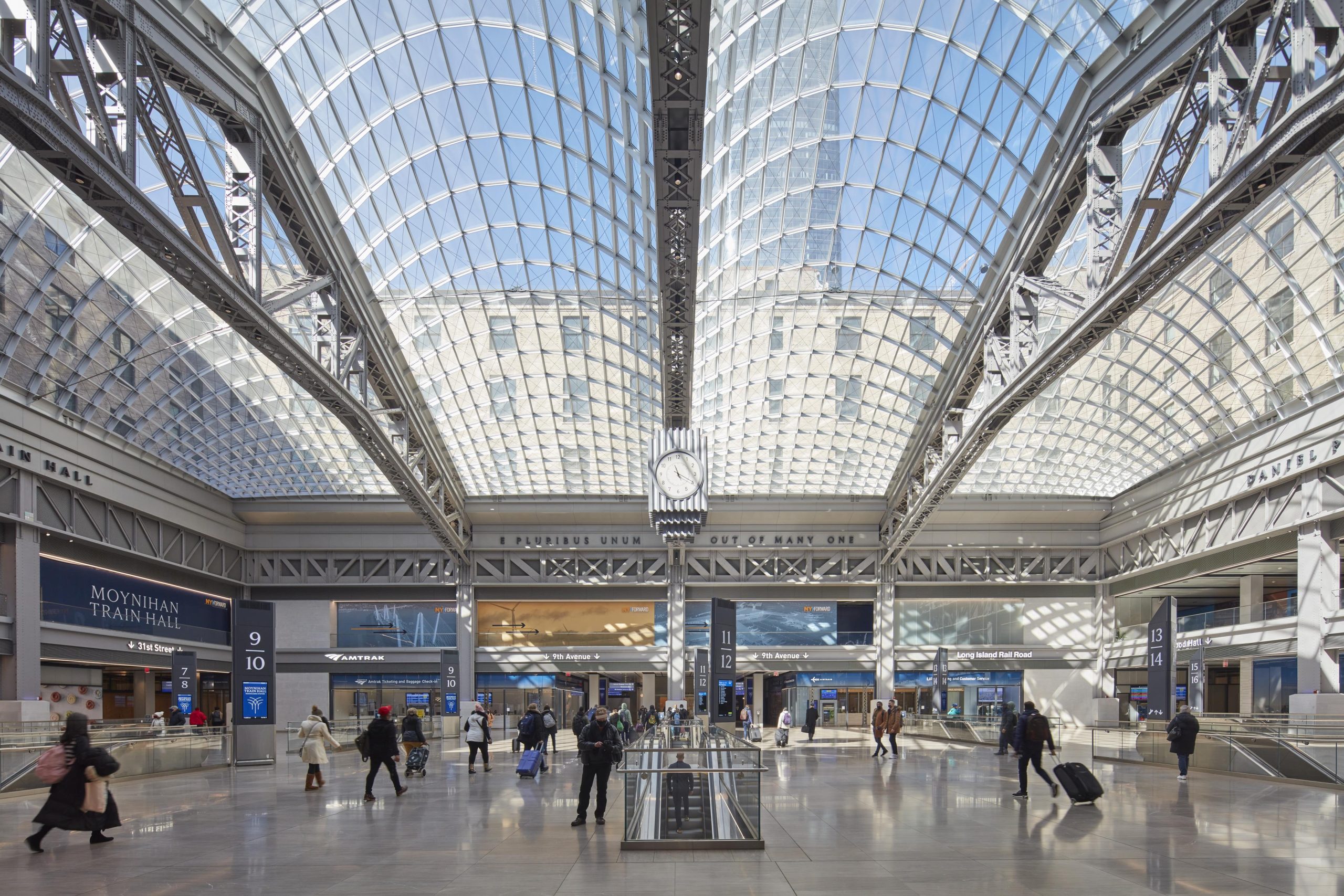
New York City is filled with historic buildings, but many visitors struggle to understand the story behind landmarks that have changed their purpose over time. The Farley Building is one such example — once a massive postal facility known as the Farley Post Office Building, it has been transformed into the modern Moynihan Train Hall while preserving its historic architecture. This guide explains the Farley Building history, its architectural importance, exact location, and why this NYC landmark remains one of Manhattan’s most impressive public spaces.
What Is the Farley Building?
The Farley Building is a historic Beaux-Arts landmark located directly across from Pennsylvania Station in Midtown Manhattan, New York City. Originally called the James A. Farley Post Office Building, it served as the main postal sorting facility for New York City for much of the 20th century.
Today, the building is best known as the home of Moynihan Train Hall, a major transportation hub that expanded access to New York’s Penn Station while restoring one of Manhattan’s most significant architectural treasures.
The building represents a unique combination of:
- Historic preservation
- Beaux-Arts architecture
- Modern transportation design
- Urban redevelopment
Farley Building History: From Post Office to Transportation Landmark
Construction and Early History
The Farley Building was designed during the golden age of American public architecture. Construction began in 1912, and the building officially opened in 1914 as the General Post Office Building of New York City.
The structure was designed by the architectural firm McKim, Mead & White, the same firm responsible for many important New York landmarks.
Its original purpose was to handle the enormous volume of mail moving through New York City, which was one of the world’s busiest commercial centers at the time.
The building was named after:
James A. Farley, a former United States Postmaster General who played an important role in American postal history.
The Architecture of the Farley Building
The Farley Building is considered one of the finest examples of Beaux-Arts architecture in New York City.
The Beaux-Arts style was influenced by classical European architecture and emphasized:
- Symmetry
- Grand entrances
- Decorative columns
- Stone facades
- Monumental scale
Exterior Design Features
The building’s exterior features:
- A long granite façade
- Large Corinthian columns
- Classical sculptures
- Massive arched windows
- Decorative stone details
One of its most recognizable features is the famous inscription:
“Neither snow nor rain nor heat nor gloom of night stays these couriers from the swift completion of their appointed rounds.”
Although commonly associated with the postal service, the quote comes from the ancient Greek historian Herodotus and became linked with postal workers.
Moynihan Train Hall (Farley Building): The Modern Transformation
Why Was the Farley Building Renovated?
By the late 20th century, the Farley Building was no longer needed as a large postal facility. At the same time, nearby Penn Station had become overcrowded and lacked the grandeur of the original station demolished in 1963.
New York leaders developed a plan to transform the historic post office into a world-class transportation facility.
The result was Moynihan Train Hall, named after Senator Daniel Patrick Moynihan, who promoted the idea of rebuilding a great transportation space in Manhattan.
Opening of Moynihan Train Hall
Moynihan Train Hall officially opened in 2021 after years of planning and construction.
The project:
- Preserved the historic exterior
- Created a modern train terminal
- Added natural lighting
- Improved passenger circulation
- Expanded Penn Station facilities
The transformation became one of the largest historic redevelopment projects in New York City.
Inside Moynihan Train Hall
The interior of Moynihan Train Hall is dramatically different from its original postal use.
Visitors can experience:
The Skylight
One of the most impressive features is the enormous glass skylight that fills the main hall with natural sunlight.
The skylight creates a sense of openness and connects the historic building with modern design.
Transportation Services
Moynihan Train Hall serves passengers using:
- Amtrak trains
- Long Island Rail Road services
It provides additional entrances, waiting areas, shops, and public spaces connected to Penn Station.
Where Is the Farley Building Located?
The Farley Building is located in:
421 8th Avenue, Manhattan, New York, NY 10001
It occupies an entire city block between:
- 8th Avenue
- 31st Street
- 33rd Street
- 9th Avenue
The building sits directly opposite the current Pennsylvania Station complex and near:
- Madison Square Garden
- Hudson Yards
- Times Square
How to Reach the Farley Building
Visitors can easily access the building through:
Subway
Nearby subway stations include:
- 34th Street–Penn Station
- 34th Street–Herald Square
Train
The building connects directly with:
- Amtrak
- Long Island Rail Road
- New Jersey Transit through Penn Station connections
Interesting Facts About the Farley Building
1. It Was Once the Largest Post Office in the United States
The Farley Post Office Building handled millions of letters and packages every day during its peak operation.
Its enormous size reflected New York’s importance as a global communication center.
2. It Was Designed by Famous Architects
The building was created by McKim, Mead & White, one of America’s most influential architectural firms.
Their work shaped many important structures across the United States.
3. It Replaced the Need for a New Penn Station Expansion
Instead of constructing an entirely new transportation building, New York reused an existing historic structure.
This approach combined preservation with modern infrastructure.
4. The Building Honors Postal Workers
The famous inscription above the entrance celebrates the dedication of postal workers who delivered mail under difficult conditions.
5. It Connects New York’s Past and Future
The Farley Building represents two different eras:
| Past Use | Modern Use |
| Mail processing center | Transportation hub |
| Postal operations | Train services |
| Early 20th-century architecture | Modern public space |
Why Is the Farley Building Important?
The importance of the Farley Building goes beyond its appearance.
It represents:
Historic Preservation
The project showed that old buildings can be adapted instead of demolished.
Transportation Improvement
Moynihan Train Hall improved passenger experience at one of America’s busiest transit locations.
Architectural Heritage
The building preserves the elegance of early 20th-century New York architecture.
Visiting the Farley Building: What to Expect
Visitors can explore:
- The grand main hall
- Historic architectural details
- Public art installations
- Shops and restaurants
- Transportation facilities
Unlike many historic buildings, the Farley Building is not only a monument — it is an active part of daily New York life.
Frequently Asked Questions About the Farley Building
Is the Farley Building the same as Moynihan Train Hall?
Yes. Moynihan Train Hall operates inside the renovated Farley Post Office Building. The historic structure was transformed into a modern train facility.
Why is it called the Farley Building?
The building was renamed in honor of James A. Farley, a former U.S. Postmaster General.
When was the Farley Building built?
Construction began in 1912, and the building opened in 1914.
What architectural style is the Farley Building?
The building follows the Beaux-Arts architectural style, featuring classical elements and monumental design.
Can tourists visit the Farley Building?
Yes. Visitors can enter Moynihan Train Hall and experience its architecture, shops, and public spaces.
Where is the Farley Building in NYC?
It is located at 421 8th Avenue in Midtown Manhattan, directly west of Penn Station.
Conclusion
The Farley Building is one of New York City’s most successful examples of historic preservation and adaptive reuse. Originally built as the Farley Post Office Building, it served as a vital center of communication before being transformed into the modern Moynihan Train Hall.
With its Beaux-Arts architecture, impressive history, and connection to Manhattan’s transportation network, the Farley Building remains a landmark where New York’s past and future meet. Whether you are interested in architecture, history, or urban development, this iconic building offers a remarkable story worth exploring.