Diesel Exhaust Fluid (DEF): Complete Guide to Uses, Benefits, and Maintenance

Modern diesel engines face a major challenge: reducing harmful emissions while maintaining fuel efficiency and performance. Traditional diesel combustion produces nitrogen oxides (NOx), which contribute to air pollution and environmental damage. Diesel Exhaust Fluid (DEF) provides a solution by working with Selective Catalytic Reduction (SCR) technology to convert harmful NOx emissions into harmless nitrogen and water.
Many vehicle owners, fleet operators, and diesel equipment users are still confused about DEF fluid for diesel engines, including how it works, why it is required, and how to maintain the diesel exhaust fluid system properly. Understanding DEF helps prevent engine performance issues, expensive repairs, and emission system failures.
What Is Diesel Exhaust Fluid (DEF)?
Diesel Exhaust Fluid (DEF) is a clear, non-toxic liquid used in diesel engines equipped with Selective Catalytic Reduction (SCR) systems. It is made from 32.5% high-purity urea and 67.5% deionized water. DEF is not a fuel additive and is stored in a separate tank from diesel fuel.
The main purpose of DEF is to reduce nitrogen oxide (NOx) emissions produced during diesel combustion. When injected into the exhaust system, DEF breaks down into ammonia, which reacts with NOx inside the SCR catalyst to produce harmless nitrogen and water vapor.
Common names for DEF include:
- Diesel Exhaust Fluid
- AdBlue (commonly used in Europe)
- AUS 32 (Aqueous Urea Solution)
Although these names differ, they refer to similar urea-based emission reduction fluids.
How Does Diesel Exhaust Fluid Work?
The operation of DEF depends on the diesel exhaust fluid system and SCR technology. The process happens after combustion gases leave the diesel engine.
The DEF process includes the following steps:
1. Exhaust Gas Production
During diesel combustion, the engine produces exhaust gases containing nitrogen oxides (NOx). These gases must be treated before leaving the vehicle.
2. DEF Injection
A DEF injector sprays a controlled amount of fluid into the hot exhaust stream. The amount injected depends on engine conditions, exhaust temperature, and NOx levels.
3. Chemical Conversion
The heat from the exhaust converts urea in DEF into ammonia. The ammonia then enters the SCR catalyst.
4. SCR Reaction
Inside the SCR catalyst, ammonia reacts with NOx emissions and converts them into nitrogen and water, which are released safely into the atmosphere.
This technology allows diesel engines to meet strict emission regulations while maintaining efficiency.
What Is Selective Catalytic Reduction (SCR) Technology?
Selective Catalytic Reduction (SCR) technology is an advanced emission control system designed to reduce NOx emissions from diesel engines.
SCR systems are commonly found in:
- Heavy-duty trucks
- Buses
- Agricultural machinery
- Construction equipment
- Modern diesel passenger vehicles
The SCR system contains several important components:
- DEF storage tank
- DEF pump
- DEF injector
- SCR catalyst
- NOx sensors
- Electronic control unit
The system continuously monitors engine conditions and adjusts DEF injection to achieve maximum emission reduction.
Benefits of Diesel Exhaust Fluid (DEF)
Using DEF provides several advantages for modern diesel engines and the environment.
1. Reduces Harmful NOx Emissions
The biggest benefit of DEF is reducing nitrogen oxide emissions. SCR technology can significantly lower NOx pollution by converting harmful gases into harmless nitrogen and water.
2. Helps Meet Emission Regulations
Governments worldwide have introduced strict diesel emission standards. DEF allows manufacturers to produce cleaner diesel vehicles while meeting these requirements.
3. Maintains Engine Efficiency
Unlike some emission control methods that affect engine performance, SCR technology allows diesel engines to maintain strong fuel efficiency while controlling emissions.
4. Protects Air Quality
Lower NOx emissions contribute to cleaner air and reduced environmental pollution, especially in areas with heavy diesel vehicle usage.
DEF Fluid for Diesel Engines: Where Is It Used?
DEF fluid for diesel engines is used in many applications, including:
Commercial Trucks
Long-haul trucks rely on DEF systems to control emissions during extended driving conditions.
Agricultural Equipment
Modern tractors and farming machines use DEF to comply with emission standards.
Construction Machinery
Excavators, loaders, and other heavy equipment use SCR systems for cleaner operation.
Passenger Diesel Vehicles
Many diesel cars and SUVs include DEF tanks to reduce exhaust emissions.
How Much DEF Does a Diesel Engine Use?
DEF consumption depends on several factors:
- Vehicle type
- Engine size
- Driving conditions
- Load capacity
- Fuel consumption
Generally, DEF consumption is much lower than diesel fuel usage. Many systems consume DEF at approximately 2–6% of diesel fuel consumption, meaning drivers usually refill DEF less frequently than fuel tanks.
Diesel Exhaust Fluid System Maintenance Tips
Proper maintenance of the diesel exhaust fluid system helps prevent costly repairs and warning messages.
1. Use High-Quality DEF
Always use certified DEF that meets required quality standards. Poor-quality fluid can damage injectors, sensors, and SCR components.
2. Keep the DEF Tank Clean
Avoid contamination from:
- Dirt
- Fuel
- Oil
- Other chemicals
Even small amounts of contamination can affect system performance.
3. Store DEF Properly
DEF should be stored in a cool, dry place away from direct sunlight. Extreme temperatures can reduce its effectiveness.
4. Check DEF Levels Regularly
Running out of DEF can cause warning alerts and may put the vehicle into reduced-power mode until the tank is refilled.
5. Monitor Warning Lights
Common DEF system warnings include:
- Low DEF level alerts
- SCR malfunction warnings
- NOx sensor errors
- Reduced engine power messages
Common Diesel Exhaust Fluid Problems
Although DEF systems are reliable, some issues can occur.
DEF Crystallization
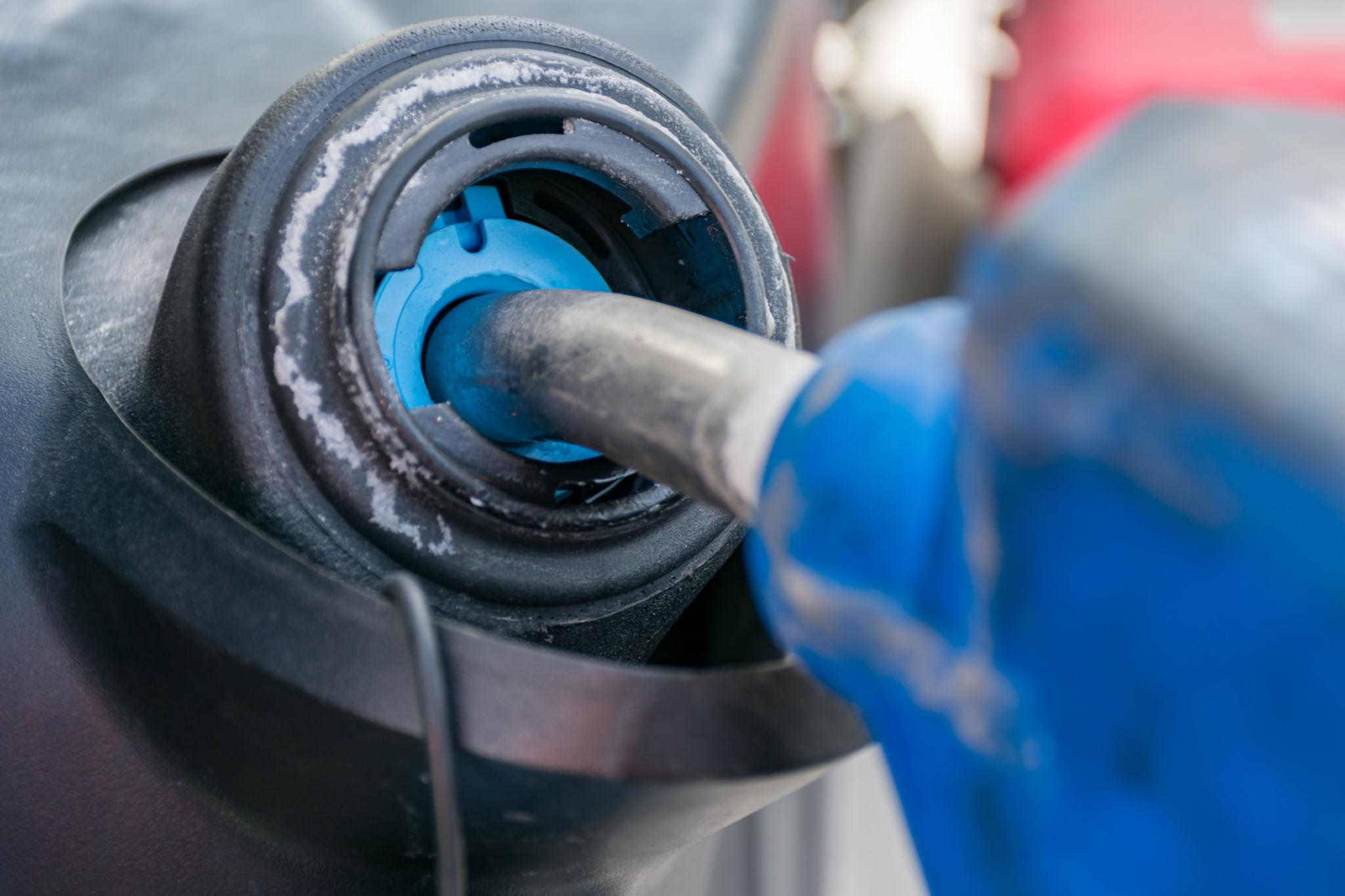
When DEF evaporates, it can leave urea crystals around injectors or tank openings. Regular inspection helps prevent buildup.
Contaminated DEF
Using incorrect fluids or dirty containers can damage the SCR system.
Frozen DEF
DEF freezes at approximately -11°C (12°F). However, vehicle systems are designed to thaw frozen DEF during operation.
Poor DEF Quality
Old or improperly stored DEF may lose effectiveness and fail to reduce emissions properly.
How to Store Diesel Exhaust Fluid Correctly
Proper storage increases DEF lifespan and maintains performance.
Follow these storage guidelines:
- Keep DEF between recommended temperature ranges
- Avoid direct sunlight exposure
- Store in sealed containers
- Do not mix old and new DEF unnecessarily
- Check expiration dates before use
DEF should always remain clean because contamination can damage expensive SCR components.
DEF vs Diesel Fuel: What Is the Difference?
Many people confuse DEF with diesel fuel, but they serve completely different purposes.
| DEF | Diesel Fuel |
| Used for emission control | Used to power the engine |
| Stored in a separate tank | Stored in fuel tank |
| Contains urea and water | Contains petroleum-based fuel |
| Works with SCR technology | Powers combustion |
DEF should never be added to the diesel fuel tank because it can cause serious engine damage.
Frequently Asked Questions About Diesel Exhaust Fluid
Is Diesel Exhaust Fluid a fuel additive?
No. DEF is not mixed with diesel fuel. It is injected separately into the exhaust system to reduce emissions.
What happens if a vehicle runs out of DEF?
The vehicle may display warning messages and limit performance until DEF is added.
How often should DEF be refilled?
Refill intervals depend on vehicle type, driving habits, and DEF tank capacity.
Can DEF expire?
Yes. DEF quality can decrease over time, especially when exposed to improper storage conditions.
Is DEF dangerous?
DEF is generally safe to handle because it is non-flammable and non-toxic, but it should be stored correctly to maintain quality.
Conclusion
Diesel Exhaust Fluid (DEF) has become an essential component of modern diesel engines because it helps reduce harmful emissions while maintaining engine performance. By working with Selective Catalytic Reduction (SCR) technology, DEF converts nitrogen oxides into harmless nitrogen and water, allowing diesel vehicles to meet strict environmental standards.
Understanding how the diesel exhaust fluid system works, using high-quality DEF fluid for diesel engines, and following proper maintenance practices can improve reliability, prevent costly repairs, and extend the life of emission control components. For diesel vehicle owners and fleet operators, DEF maintenance is a critical part of responsible engine operation.