Repmold: Complete Guide to Mold Repair and Maintenance Solutions

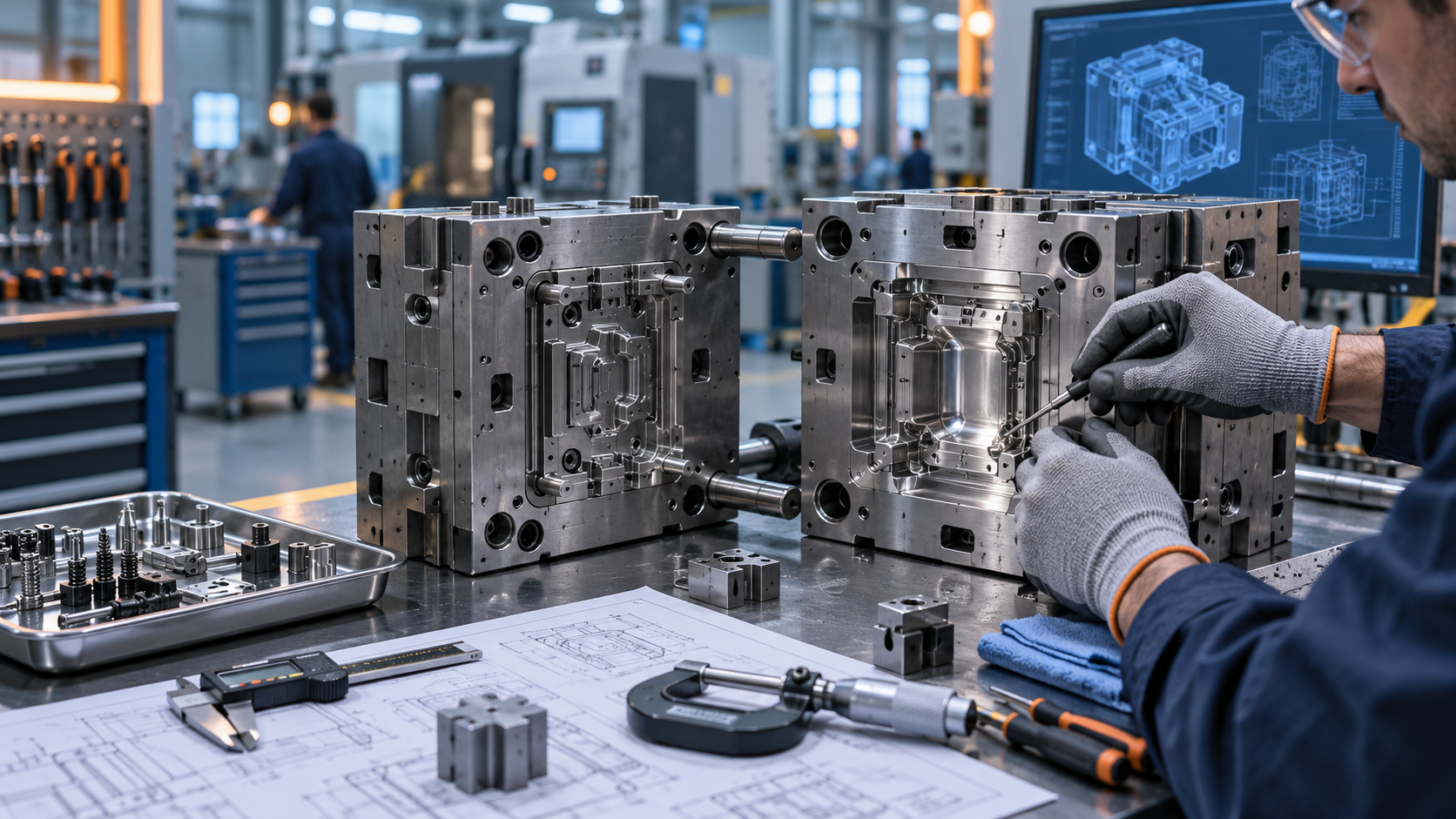
Mold damage, production delays, and expensive tooling failures can slow down manufacturing operations and reduce product quality. Companies using injection molds often struggle with cracks, wear, surface defects, and poor performance caused by continuous production cycles. Repmold provides professional mold repair solutions and maintenance approaches that restore damaged molds, extend tool lifespan, and improve manufacturing efficiency.
From industrial mold maintenance to plastic injection mold repair, proper restoration techniques help manufacturers reduce downtime, avoid unnecessary replacement costs, and maintain consistent product quality. A reliable mold repair strategy ensures that production equipment continues operating with accuracy and durability.
What Is Repmold?
Repmold refers to specialized mold repair and restoration solutions designed to bring damaged or worn molds back to operational condition. Instead of replacing expensive tooling completely, manufacturers can repair specific damaged areas and restore mold functionality.
Molds are essential components in industries such as automotive, electronics, packaging, medical devices, and consumer products. Because these tools operate under high pressure, heat, and repeated cycles, they naturally experience wear over time.
Professional repair methods can address issues including:
- Cracked mold components
- Damaged cavities and cores
- Worn surfaces
- Broken inserts
- Cooling channel problems
- Parting line defects
- Dimensional accuracy issues
Effective repair helps businesses maintain production quality while reducing manufacturing expenses.
Why Mold Repair Solutions Are Important
Manufacturing companies depend on molds for producing thousands or millions of identical parts. When a mold develops problems, even minor defects can create major production challenges.
Common consequences of poor mold condition include:
- Increased production downtime
- Higher scrap rates
- Poor product finishing
- Increased maintenance costs
- Delayed customer deliveries
Professional mold repair solutions allow manufacturers to fix problems before they become major failures.
Modern repair techniques focus on precision restoration rather than temporary fixes. Experts analyze the damaged area, identify the root cause, and apply suitable repair methods to restore the original specifications.
Common Types of Mold Damage Requiring Repair
1. Surface Wear and Erosion
Continuous molding cycles can gradually wear down mold surfaces. This affects product appearance and dimensional accuracy.
Repair specialists may restore damaged surfaces through:
- Precision polishing
- Surface coating
- Laser welding
- Component replacement
2. Cracks and Structural Damage
High pressure and repeated thermal changes can create cracks in mold components.
Depending on severity, repairs may include:
- Welding repairs
- Insert replacement
- Machining corrections
- Structural reinforcement
3. Parting Line Problems
The parting line is where mold halves meet during operation. Damage in this area can create flashing defects and reduce product quality.
Repairing parting surfaces helps maintain proper mold alignment and prevents unwanted material leakage.
Industrial Mold Maintenance: Preventing Expensive Failures
Industrial mold maintenance is a proactive approach that keeps molds working efficiently throughout their service life.
Regular maintenance includes inspection, cleaning, lubrication, and performance testing.
A proper maintenance program usually involves:
Routine Mold Inspection
Technicians inspect:
- Mold surfaces
- Moving components
- Cooling systems
- Ejector mechanisms
- Alignment points
Early detection helps prevent unexpected breakdowns.
Cleaning and Contamination Control
Plastic residue, dust, and deposits can affect mold performance.
Regular cleaning prevents:
- Surface defects
- Poor filling
- Material contamination
- Reduced cycle efficiency
Lubrication and Component Care
Moving mold parts require proper lubrication to reduce friction and prevent premature wear.
Important components include:
- Guide pins
- Bushings
- Ejector systems
- Sliding mechanisms
Plastic Injection Mold Repair Process
Plastic injection mold repair requires technical expertise because injection molds are precision-engineered tools. The repair process normally follows several important steps.
Step 1: Mold Inspection and Diagnosis
The first step is identifying the exact cause of failure.
Experts evaluate:
- Damage location
- Production defects
- Mold dimensions
- Component condition
A detailed inspection prevents unnecessary repairs.
Step 2: Disassembly and Cleaning
The mold is carefully disassembled and cleaned to expose damaged areas.
This allows technicians to inspect internal components and identify hidden problems.
Step 3: Precision Repair Work
Depending on damage severity, repair techniques may include:
- CNC machining
- Laser welding
- Grinding
- Polishing
- Insert replacement
The goal is to restore the mold according to original engineering specifications.
Step 4: Testing and Quality Verification
After repair, molds undergo testing to ensure:
- Correct dimensions
- Smooth operation
- Proper alignment
- Consistent product output
Testing reduces the risk of future production issues.
Benefits of Professional Mold Repair Services
Choosing professional repair solutions provides several advantages:
Reduced Manufacturing Costs
Repairing an existing mold is often more economical than creating a completely new tool.
Extended Mold Lifespan
Regular maintenance and timely repairs increase the operational life of expensive molds.
Less Production Downtime
Fast repair solutions help manufacturers return to production quickly.
Improved Product Quality
Properly maintained molds produce more consistent and accurate parts.
Repmold vs Mold Replacement: Which Option Is Better?
Many manufacturers assume replacing a damaged mold is the only solution. However, repair is often a practical alternative.
| Mold Repair | Mold Replacement |
| Lower cost | Higher investment |
| Faster turnaround | Longer production delay |
| Extends existing tool life | Requires new manufacturing |
| Suitable for many damages | Needed for severe failures |
The correct choice depends on mold condition, production requirements, and repair feasibility.
How to Choose the Right Mold Repair Partner
A reliable mold repair provider should have:
- Experienced technicians
- Advanced repair equipment
- Knowledge of injection molding systems
- Quality control processes
- Industry-specific experience
Manufacturers should evaluate repair capabilities before selecting a service provider because mold accuracy directly affects final product quality.
Best Practices for Long-Term Mold Performance
To maximize mold lifespan:
- Follow scheduled maintenance plans
- Clean molds regularly
- Monitor production defects
- Replace worn components early
- Maintain proper storage conditions
- Record repair history
Preventive maintenance is usually more cost-effective than emergency repairs.
Future of Mold Repair and Maintenance
The mold repair industry is becoming more advanced with technologies such as:
- Laser-based repair methods
- Digital inspection systems
- Predictive maintenance tools
- Automated quality monitoring
These innovations help manufacturers identify problems earlier and improve overall production reliability.
Injection molding remains a major manufacturing process for producing plastic components, and maintaining precision molds is essential for efficient production.
Conclusion
Repmold offers a practical approach to restoring damaged molds, improving production reliability, and reducing manufacturing costs. Through professional mold repair solutions, industrial mold maintenance, and plastic injection mold repair techniques, businesses can extend tool lifespan and maintain consistent product quality.
Instead of replacing expensive molds after every failure, manufacturers can benefit from strategic repair and preventive maintenance programs. A well-maintained mold not only improves efficiency but also supports long-term manufacturing success.